Quick Summary
Don't get stranded! Learn the key warning signs your car battery is dying and how to perform health checks. Find out when to call Battery Call Out for expe
Full Article
Headings, lists, bold — all supported
When to Replace Your Car Battery: Warning Signs & Health Checks
Your car battery is the heart of your vehicle's electrical system, providing the initial jolt to start the engine and powering various components when the engine is off. Over time, all car batteries degrade. Understanding the warning signs of a dying battery and performing routine health checks can save you from unexpected breakdowns and costly inconveniences. At Battery Call Out, we believe in empowering drivers with knowledge to keep them safely on the road.
Key Warning Signs Your Car Battery Needs Attention
Don't wait until your car won't start. Keep an eye out for these common indicators:
- Slow Engine Crank: This is often the most common and earliest sign. If your engine takes longer than usual to turn over, sounding sluggish, it's a strong indication your battery is losing its charge capacity.
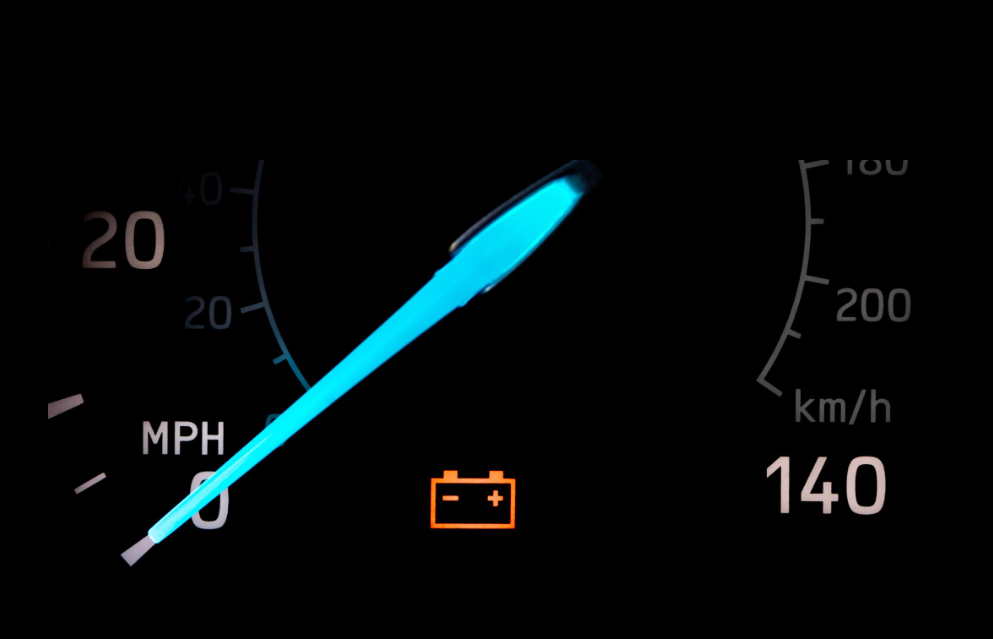
- Dashboard Warning Light: Many modern vehicles have a battery warning light (often shaped like a battery icon) that illuminates on your dashboard. This indicates an issue with the charging system, which could be the battery itself, the alternator, or wiring.
- Dim Headlights & Electrical Issues: If your headlights appear dimmer than usual, or if other electrical components like power windows, radio, or dashboard lights are malfunctioning, your battery might be struggling to supply adequate power.
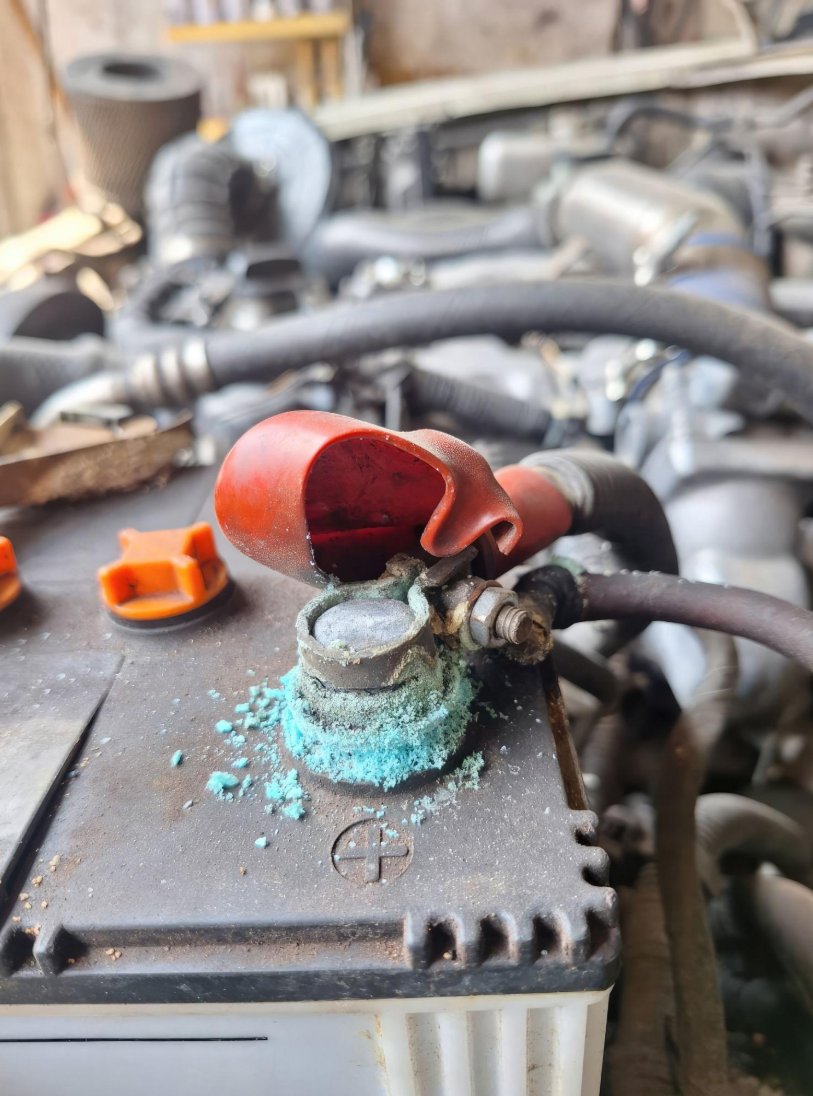
- Corrosion on Battery Terminals: A buildup of white, powdery, or bluish-green substance around the battery terminals can impede conductivity. While sometimes cleanable, significant corrosion can indicate a leaky battery or an underlying charging issue.
- Swollen Battery Case: If your battery casing appears swollen or bloated, especially on the sides, it's a critical warning sign. This is often caused by excessive heat or overcharging and means the battery is failing and potentially dangerous.
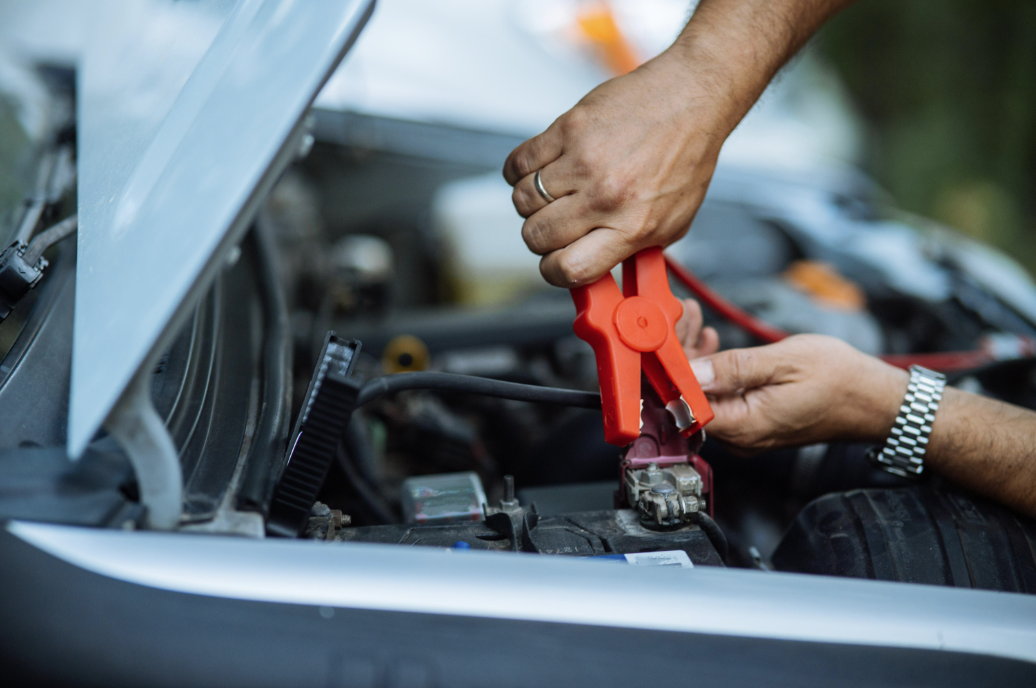
- Frequent Jump Starts: Needing multiple jump starts within a short period is a clear signal that your battery isn't holding a charge and needs replacement.
- Rotten Egg Smell: A pungent, sulfurous smell emanating from under the hood often indicates a leaking battery or an internal short circuit, releasing hydrogen sulfide gas. This is a serious safety concern.
Common Causes of Battery Degradation
Several factors contribute to the eventual demise of your car battery:
- Age: Car batteries typically last 3-5 years, depending on climate, vehicle type, and driving habits. Beyond this age, performance significantly declines.
- Extreme Temperatures: Both extreme heat and cold accelerate battery degradation. Heat causes battery fluid to evaporate, while cold reduces a battery's cranking power.
- Short Trips: Frequent short drives don't allow the alternator enough time to fully recharge the battery, leading to a chronically undercharged state.
- Parasitic Drain: Electrical components (e.g., dashboard clocks, alarm systems) can slowly drain the battery even when the car is off. A faulty component can cause an excessive drain.
- Poor Maintenance: Neglecting to clean corrosion or ensure secure connections can shorten battery life.
Proactive Battery Health Checks & Advice
Taking a few simple steps can help you monitor your battery's health:
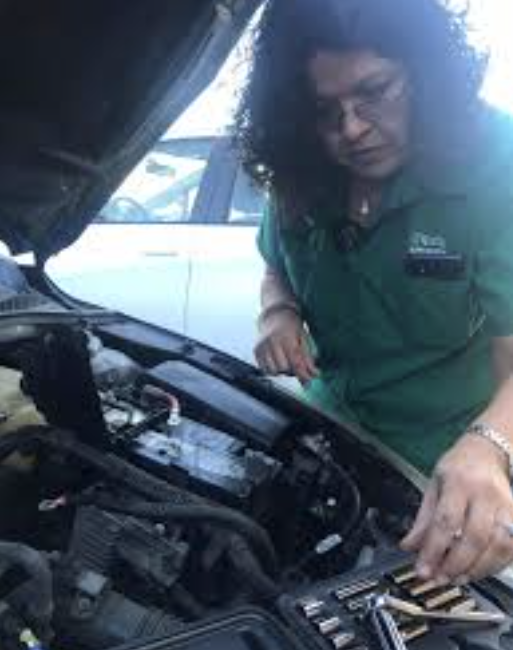
- Regular Visual Inspection: Periodically open your hood and check your battery for signs of corrosion, leaks, or swelling. Ensure terminal connections are tight.
- Clean Terminals: If you spot light corrosion, carefully clean it using a wire brush and a mixture of baking soda and water (always disconnect the negative terminal first, then the positive, and reconnect in reverse).
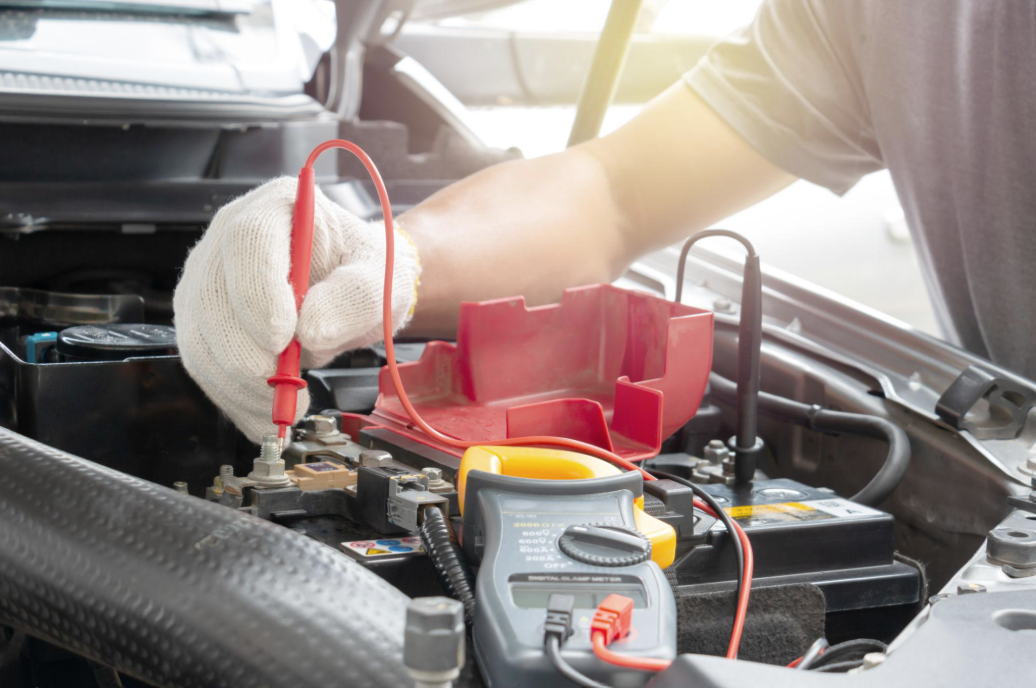
- Test Battery Voltage: A multimeter can measure your battery's voltage. A healthy, fully charged battery should read around 12.6 volts or higher when the engine is off. Below 12.4 volts suggests a discharged or failing battery.
- Professional Load Test: For a comprehensive assessment, a professional load test simulates starting conditions to determine the battery's ability to hold a charge under stress.
Important Safety Tips When Handling Batteries
Car batteries contain corrosive acid and can generate explosive gases. Always prioritize safety:
- Wear Protective Gear: Always wear safety glasses and gloves when inspecting or working near your car battery.
- Avoid Sparks & Open Flames: Do not smoke or create sparks near a battery, as they can emit flammable hydrogen gas.
- Ensure Proper Ventilation: Work in a well-ventilated area to disperse any emitted gases.
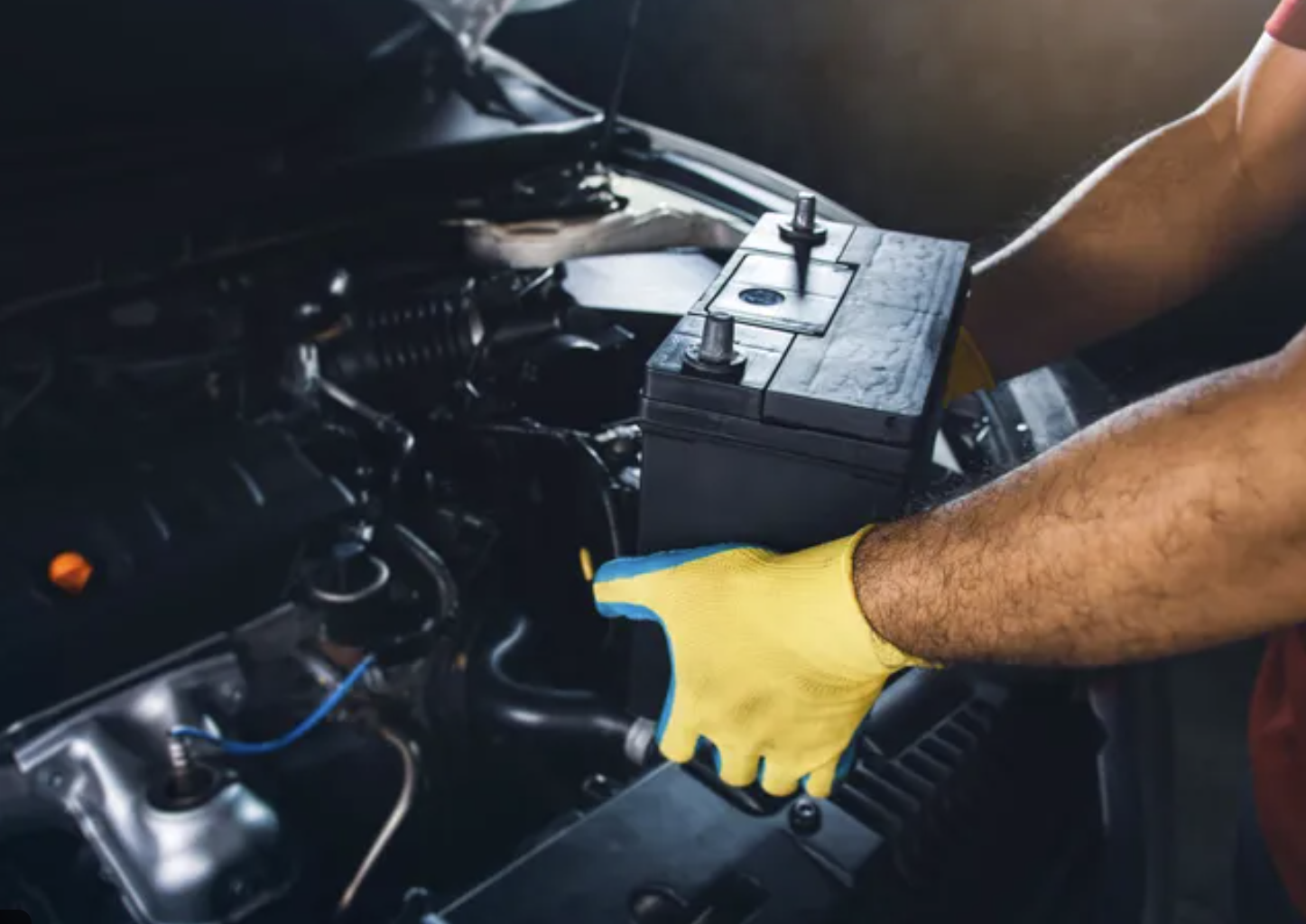
- Handle with Care: Batteries are heavy. Lift with your legs and avoid dropping them.
- Consult Your Manual: Always refer to your vehicle's owner's manual for specific battery maintenance guidelines.
When to Call Battery Call Out
While basic checks are helpful, some situations warrant professional assistance:
- Uncertainty: If you're unsure about any warning sign or how to proceed safely.
- Complex Issues: Suspected alternator problems, persistent parasitic drains, or electrical system faults are best handled by experts.
- Safety Concerns: If you notice swelling, a strong smell, or severe corrosion, call for professional help immediately. Do not attempt to jump-start a swollen or leaking battery.
- Failed DIY Tests: If your multimeter readings are consistently low, or if the problem persists after basic troubleshooting.
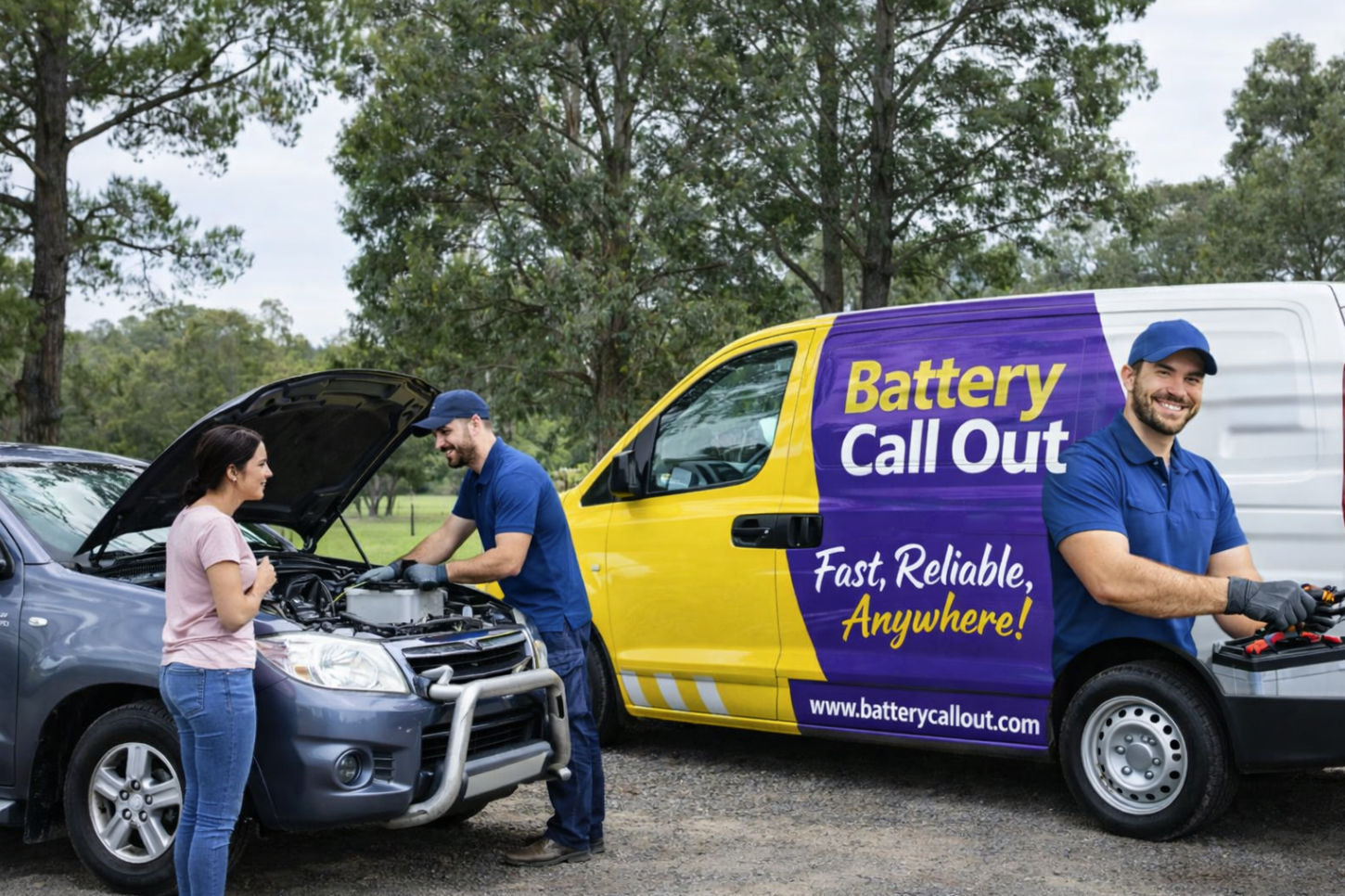
- Need for On-Site Replacement: Battery Call Out offers convenient mobile battery testing and replacement services, bringing the solution directly to you.
Don't Get Stranded: Take Action Today!
Ignoring warning signs can lead to being stranded at the worst possible moment. Regular checks and timely replacement ensure your vehicle remains reliable. If you're experiencing any of these symptoms or simply want a professional assessment, don't wait for a breakdown.
Call Battery Call Out now for a swift, reliable battery test and replacement service!