Quick Summary
Don't get stranded! Learn the key warning signs that your car battery needs replacing and essential health check recommendations. Get expert service from B
Full Article
Headings, lists, bold — all supported
When Should You Replace Your Car Battery? Warning Signs & Health Check Recommendations
Your car battery is the heart of your vehicle's electrical system, providing the crucial jolt needed to start your engine and power essential components. Often overlooked until it fails, a dying battery can leave you stranded at the most inconvenient times. Understanding the warning signs and knowing when to seek professional help can save you stress, time, and money. At Battery Call Out, we believe in proactive maintenance to keep you moving safely.
Warning Signs: Is Your Battery Nearing Its End?
Pay close attention to these indicators, as they often signal that your battery is losing its charge-holding capacity and may need replacement:
- Slow Engine Crank: This is perhaps the most common symptom. If your engine takes longer than usual to turn over, especially on cold mornings, it's a strong sign of a weakening battery. The starter motor isn't receiving enough power.
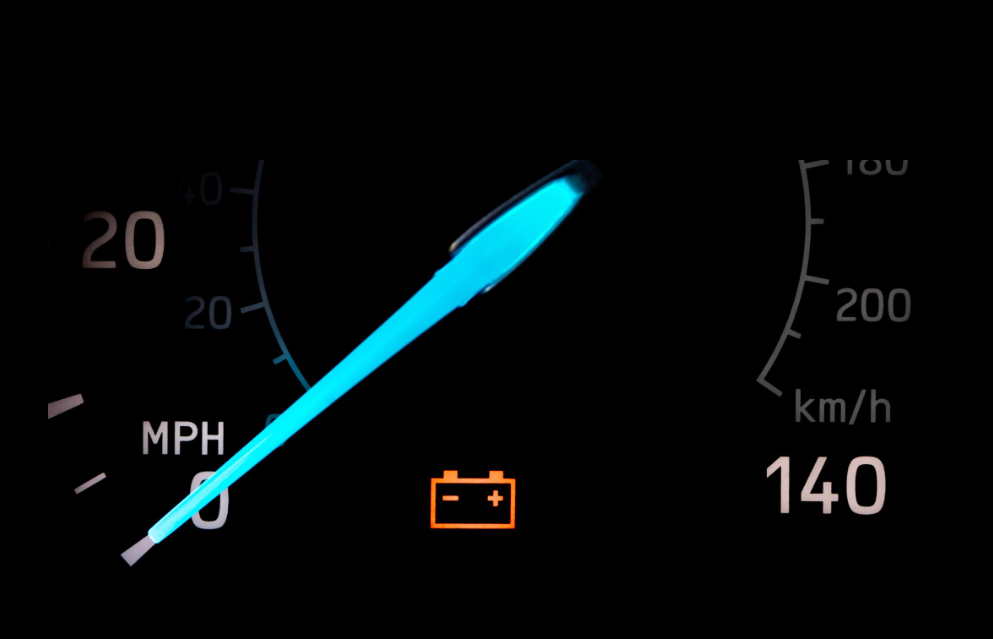
- Dashboard Battery Warning Light: Many modern vehicles feature a dedicated battery or charging system warning light. If this illuminates, it indicates an issue with your battery or the charging system.
- Dim Headlights and Interior Lights: A noticeable dimming of your headlights, dashboard lights, or interior lights, particularly when the engine is off or idling, suggests low battery voltage.
- Clicking Sound When Turning the Key: A rapid clicking sound when you try to start your car, without the engine turning over, often means there isn't enough power to engage the starter motor.
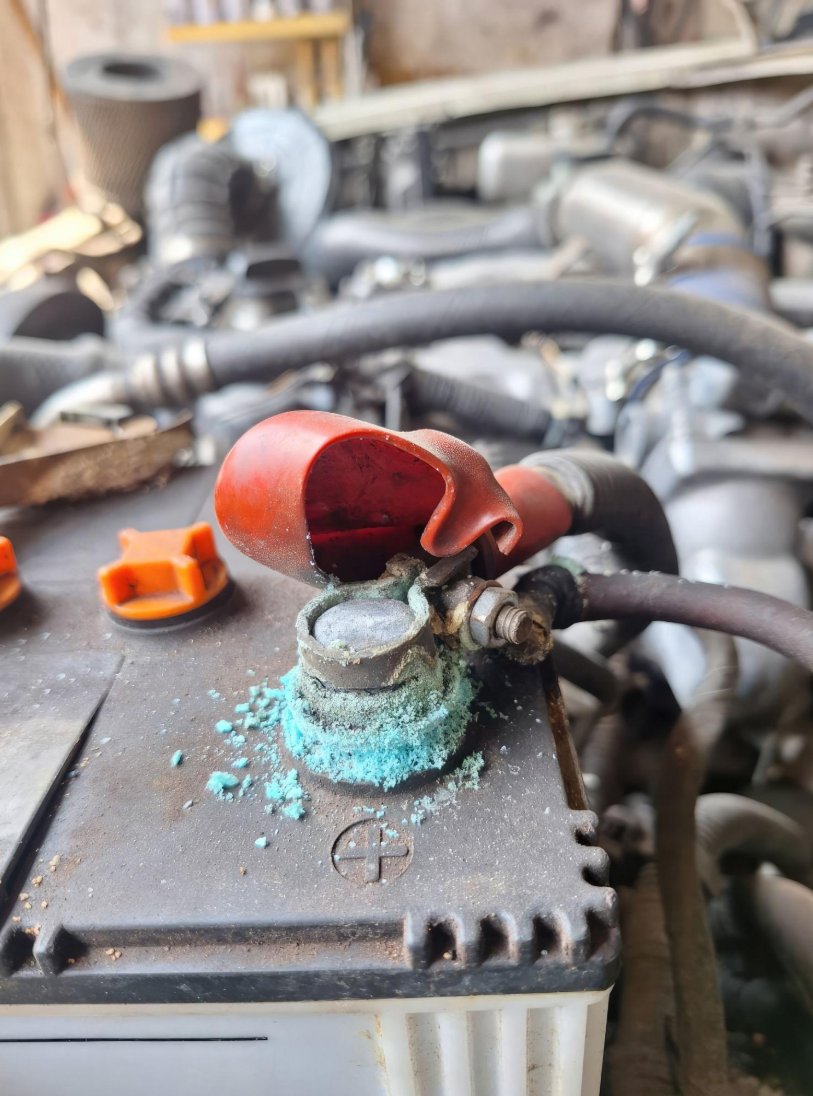
- Corrosion on Battery Terminals: White, powdery, or blue-green corrosion around the battery terminals can impede conductivity and indicates a potential leak or inefficient charging. This should be addressed promptly.
- Swollen or Bloated Battery Case: Extreme temperatures or overcharging can cause the battery case to swell or bulge. This is a critical sign of internal damage and a potential safety hazard; the battery should be replaced immediately.
- The Age of Your Battery: Most car batteries have a lifespan of 3-5 years. If your battery is approaching or past this age, it's wise to have it checked, even if you haven't noticed significant issues.
Common Causes of Battery Degradation
Several factors contribute to a battery's decline:
- Age and Wear & Tear: Over time, the internal components of a battery naturally degrade.
- Extreme Temperatures: Both intense heat and severe cold put stress on a battery, accelerating its demise. Heat causes internal corrosion, while cold reduces its cranking power.
- Frequent Short Trips: If you primarily make short drives, your alternator may not have enough time to fully recharge the battery, leading to a chronically undercharged state.
- Parasitic Drain: Sometimes, electrical components can draw power even when the car is off, slowly draining the battery.
- Poor Maintenance: Neglecting to clean terminals or check fluid levels (for non-sealed batteries) can shorten life.
- Faulty Charging System: Issues with the alternator or voltage regulator can lead to overcharging or undercharging, both detrimental to battery health.
Proactive Battery Health Checks: Step-by-Step Advice
Taking a few simple steps can help you monitor your battery's health:
- Regular Visual Inspection: Periodically check your battery for signs of corrosion, leaks, or swelling. Ensure cables are securely attached.
- Keep Terminals Clean: If you spot minor corrosion, you can carefully clean it with a wire brush and a baking soda/water solution. Always disconnect the negative terminal first and reconnect it last.
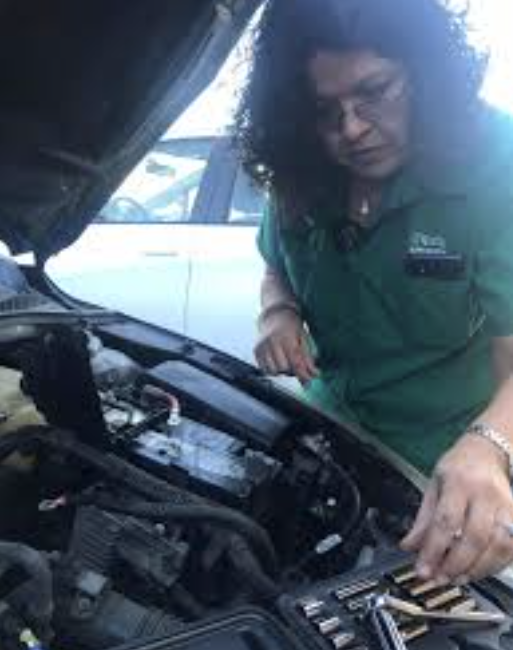
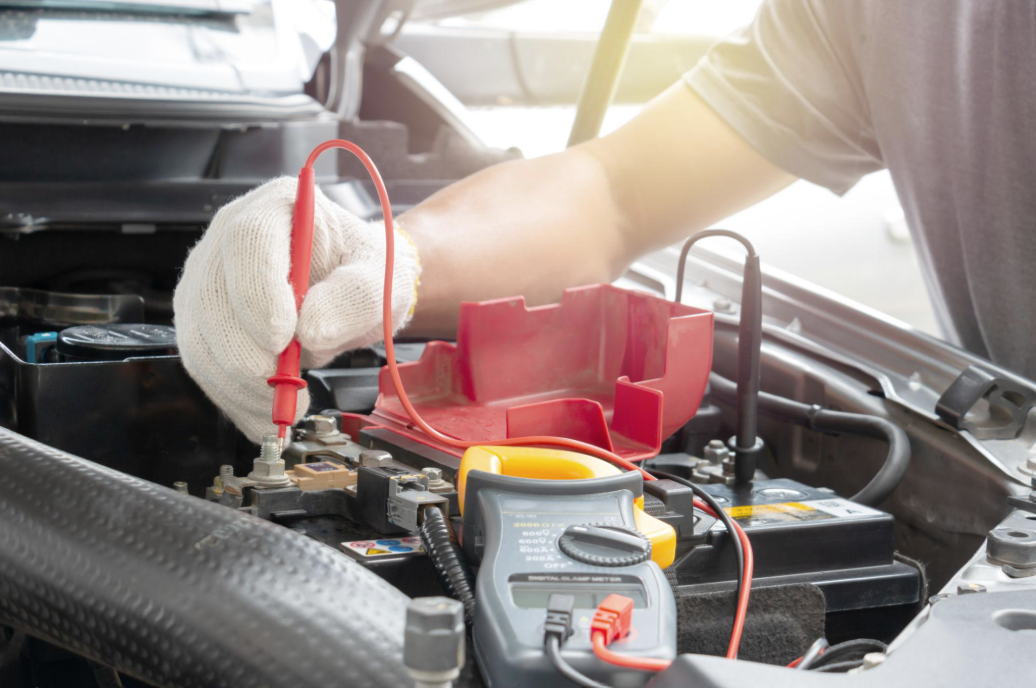
- Professional Health Check: The most reliable way to assess your battery's condition is a professional diagnostic test. Our Battery Call Out technicians can perform a comprehensive battery and charging system test, accurately measuring its cranking amps and overall health.
- Consider a Trickle Charger: If your vehicle is stored for extended periods or used infrequently, a trickle charger can help maintain optimal charge and prolong battery life.
Important Safety Tips When Handling Car Batteries
Car batteries contain corrosive acid and produce flammable gases. Always prioritize safety:
- Wear Protective Gear: Always wear safety glasses and gloves when inspecting or working near a battery.
- Avoid Metal Contact: Never touch both battery terminals simultaneously with metal tools, as this can cause a dangerous spark or short circuit.
- Ventilation is Key: Ensure good ventilation when working near a battery, especially if charging, to disperse hydrogen gas.
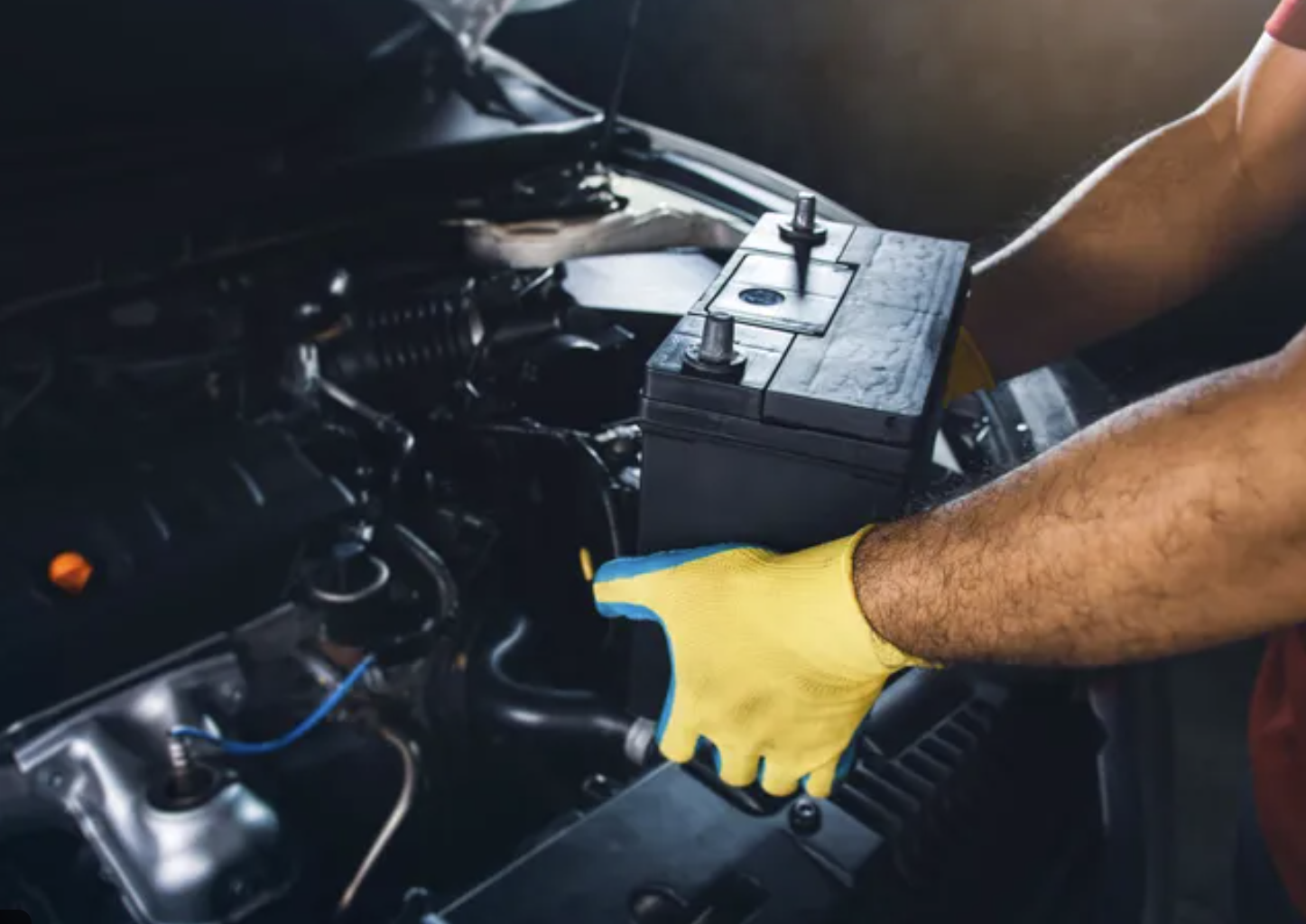
- Don't DIY if Unsure: If you're uncomfortable or unsure about any aspect of battery inspection or replacement, it's always safer to call a professional.
When to Call Battery Call Out for Service
Don't wait until you're stranded. Contact Battery Call Out immediately if you experience:
- Persistent starting difficulties.
- A lit battery warning light on your dashboard.
- Visible damage or heavy corrosion on your battery.
- Your battery is 3-5 years old or older and has not been tested recently.
- You need an expert diagnosis of your starting and charging system.
Our mobile technicians are equipped to perform on-site battery testing, replacement, and disposal, ensuring you receive prompt and professional service wherever you are.
Stay Powered Up with Battery Call Out
A reliable car battery is essential for peace of mind on the road. By recognizing the warning signs and adhering to recommended health checks, you can proactively address potential issues before they become major problems. For expert advice, professional battery testing, or a rapid battery replacement service, trust Battery Call Out.
Don't get caught out by a flat battery! Call us now or book your battery health check service today!